
Optical Modules Explained: Types and Terminology
Optical modules connect fiber networks by converting electrical signals into optical signals and converting received optical data back into electrical form. We provide communication solutions for industrial applications where stable transmission, compatibility, and dependable operation are important for power systems, automation facilities, security networks, and transportation infrastructure.
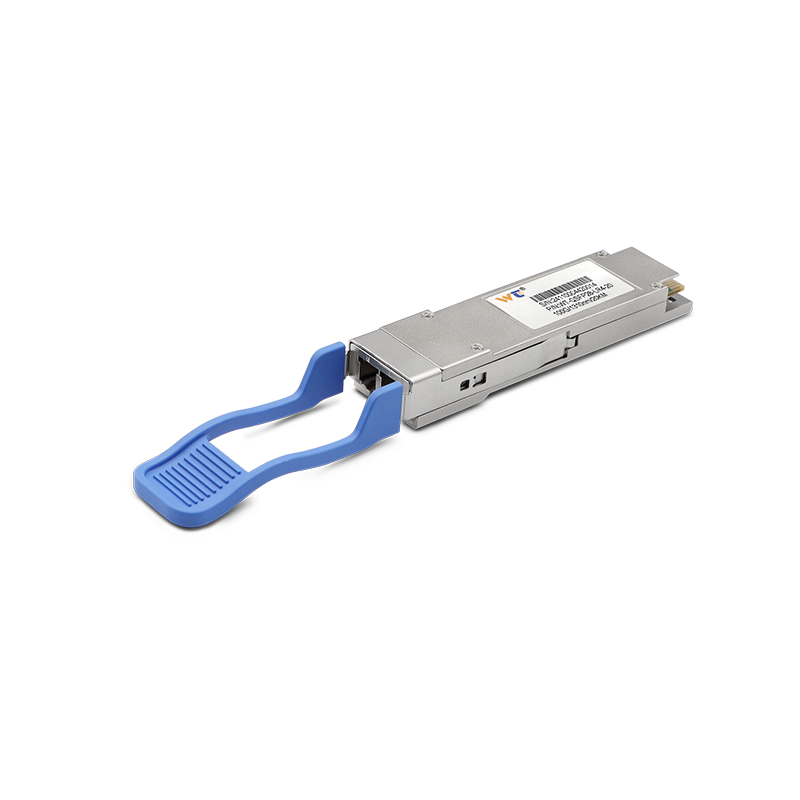
Optical Module Supplier Fundamentals
An optical module supplier provides communication components that support fiber connections between network devices. These products contain optical parts, electronic circuits, and mechanical structures that work together to maintain efficient data transmission across different communication environments and industrial applications.
Optical modules are available in various formats, including SFP, SFP+, QSFP+, and QSFP28 designs. Each type serves different network requirements related to speed, distance, and equipment compatibility, allowing engineers to match communication components with specific system conditions.
When working with Wintop, customers can access optical communication products designed for industrial environments. Our solutions support network projects that require reliable connections, technical assistance, and product flexibility for applications across multiple industries and infrastructure systems.
A professional optical module supplier should provide clear specifications, compatibility information, and service support. These factors help system integrators reduce deployment difficulties and maintain efficient communication networks for industrial automation, surveillance, power distribution, and transportation management applications.
Types and Application Areas
Different optical module categories address different transmission requirements. Low-speed modules support basic communication tasks, while higher-speed options provide greater bandwidth for advanced systems requiring efficient data exchange between network equipment and fiber connections.
SFP and SFP+ modules are commonly applied in compact network environments because their designs support flexible installation. They help organizations manage space limitations while maintaining stable communication links between switches, controllers, and other connected devices.
QSFP+ and QSFP28 modules support applications requiring increased data capacity. These products are suitable for communication systems where higher transmission rates are needed to support large amounts of information moving through fiber-based networks.
Industrial sectors such as manufacturing, power distribution, and security monitoring use optical modules as part of fiber-based communication systems. Proper product matching allows these systems to maintain connections between control equipment, monitoring platforms, and operational networks.
Optical Module Performance Factors
Transmission distance, wavelength, connector type, and network speed influence optical module performance. Engineers review these technical details carefully because each factor affects communication stability and compatibility within a complete fiber communication system.
Wintop develops optical communication products for industrial applications, including automation systems, surveillance networks, and infrastructure projects. We focus on providing solutions that meet practical requirements related to communication reliability, integration needs, and operational environments.
A reliable optical module supplier offers detailed product information that assists engineers during project planning. Documentation, technical guidance, and application support help customers create communication networks with appropriate components and efficient installation processes.
Quality control is an important part of optical communication manufacturing. Testing procedures help verify product consistency, while careful production management supports dependable performance for customers operating networks in challenging industrial conditions.
Network Integration and Custom Solutions
Industrial communication projects often require specific configurations because different applications have unique operational demands. Power facilities, factories, and security systems may need customized optical solutions to maintain stable information exchange between multiple connected devices.
OEM and ODM services allow customers to request product adjustments according to project requirements. Wintop supports customization needs involving product configurations, packaging options, and related manufacturing services for partners requiring flexible communication solutions.
Network infrastructure partners consider compatibility when expanding communication systems. Optical products that support different equipment platforms can simplify integration work and help maintain consistent network performance across various industrial applications.
Intelligent transportation and traffic management systems depend on stable data transmission for monitoring and control functions. Optical communication components support these operations by providing connections between cameras, control systems, and network infrastructure.
Optical Module Terminology and Selection
Optical module terminology includes package type, transmission rate, fiber compatibility, and interface specifications. Familiarity with these terms helps technical teams communicate project needs clearly and identify suitable components for their network environments.
Engineers review application conditions, required distance, and system specifications before purchasing communication components. This process helps ensure selected products match the requirements of the complete network architecture and suit the intended operating conditions.
Wintop provides optical communication products and technical support for customers across industrial markets. Our experience helps partners evaluate suitable solutions for different applications, including manufacturing systems, security networks, and infrastructure communication projects.
A careful evaluation process supports efficient network planning and maintenance. Matching optical modules with existing equipment reduces unnecessary adjustments and helps organizations maintain stable communication performance throughout their operational systems.
Conclusion
Optical modules remain essential components for modern fiber communication networks across industrial sectors. We at Wintop provide optical communication products, customization support, and industry experience to help customers develop dependable network solutions. Contact us to discuss suitable options for your communication requirements and project goals.
Related Products