
SFP Optical Transceiver Technologies and Applications in 2026
Optical networks continue evolving as enterprises require stable communication for power systems, automation, security, transportation, and infrastructure projects. SFP modules remain important components because they support different speeds, fiber types, and distances. We review current product directions based on available Wintop solutions and industry applications.
Product Categories and Application Demands
The market includes multiple module categories serving different network requirements. We offer transceivers across several product categories, allowing engineers to match transmission needs with suitable interfaces, wavelengths, and distances across industrial communication systems.
For operators managing complex infrastructure, sfp optical transceiver products provide flexible connectivity choices. Fiber networks in substations, factories, and monitoring systems require dependable modules that support efficient data exchange while maintaining compatibility with existing equipment and communication architectures.
Industrial projects often require different transmission distances and fiber selections. Available modules include solutions for single mode and multi mode fiber applications, supporting varied network layouts. Engineers can evaluate specifications carefully to align modules with operational requirements and maintenance plans.
The expansion of intelligent systems creates demand for reliable optical components. From traffic networks to automated facilities, communication equipment must handle consistent data flow. Modular optical solutions help integrators design scalable systems that accommodate future upgrades without replacing complete network structures.
SFP Optical Transceiver Technology Trends
Higher bandwidth requirements continue influencing optical module development. The product range includes standard SFP modules as well as higher-speed transceiver formats for different network requirements. These choices help organizations address changing data demands across enterprise and industrial network environments.
Pluggable form factors remain relevant for equipment designs that require modular installation and replacement. SFP formats provide practical installation advantages because modules can be inserted into compatible networking hardware. This approach supports easier maintenance and allows teams to replace or expand communication links when necessary.
Wavelength selection and transmission distance are key technical considerations. Our products include models using different optical specifications, such as 850nm, 1310nm, and 1550nm wavelengths. These variations help users match optical performance with specific fiber conditions and project requirements.
Testing and compliance processes influence procurement decisions. Our products include features such as digital diagnostics, RoHS compatibility, and MSA compliance on certain models. These technical details assist engineers when reviewing product reliability, interoperability, and operational suitability for professional networks.
Industrial Network Deployment Considerations
Power generation and distribution networks require communication systems designed for stable operation. Solutions for substations and related environments depend on reliable data transmission between control equipment. Optical modules support these connections by enabling fiber-based links suitable for demanding industrial communication scenarios.
Manufacturing and automation companies need communication components that fit controlled production environments. Optical modules support connections between network devices and automated systems, helping maintain communication performance. Careful assessment of speed, distance, and compatibility remains important during system planning and equipment installation.
Security and surveillance integrators often manage projects requiring continuous video and data transmission. Fiber communication can support these applications by providing stable links across facilities. Module specifications should correspond with camera networks, switches, and infrastructure layouts to achieve dependable performance.
Intelligent transportation agencies also rely on communication networks for connected systems. Fiber links support data transmission between transportation equipment and management platforms. Selecting suitable optical modules helps project teams maintain communication quality across different locations and operating conditions.
Partner Support and Product Reliability
Network wholesalers and solution partners need clear product information when serving customers. Wintop provides multiple SFP categories, technical specifications, and support resources to help partners identify suitable products for various communication projects and market requirements.
Compatibility remains a major concern for large network deployments. Engineers often review connector types, fiber standards, transmission ranges, and device requirements before installation. Proper evaluation reduces integration challenges and improves the efficiency of communication infrastructure projects.
Factory testing and technical verification contribute to product confidence. We provide SFP fiber-optic transceivers with industrial-grade testing before shipment. Such procedures help customers evaluate equipment quality when planning networks for demanding environments.
Project teams also value access to technical assistance during deployment. Documentation, testing support, and consultation services can help resolve questions related to installation and application. These resources support smoother project execution for distributors, integrators, and end users.
Future Directions for Optical Connectivity
Future network expansion will continue increasing demand for flexible optical communication equipment. Engineers will focus on solutions that combine speed, compatibility, and practical maintenance. SFP technologies will remain relevant as organizations upgrade infrastructure while managing existing investments.
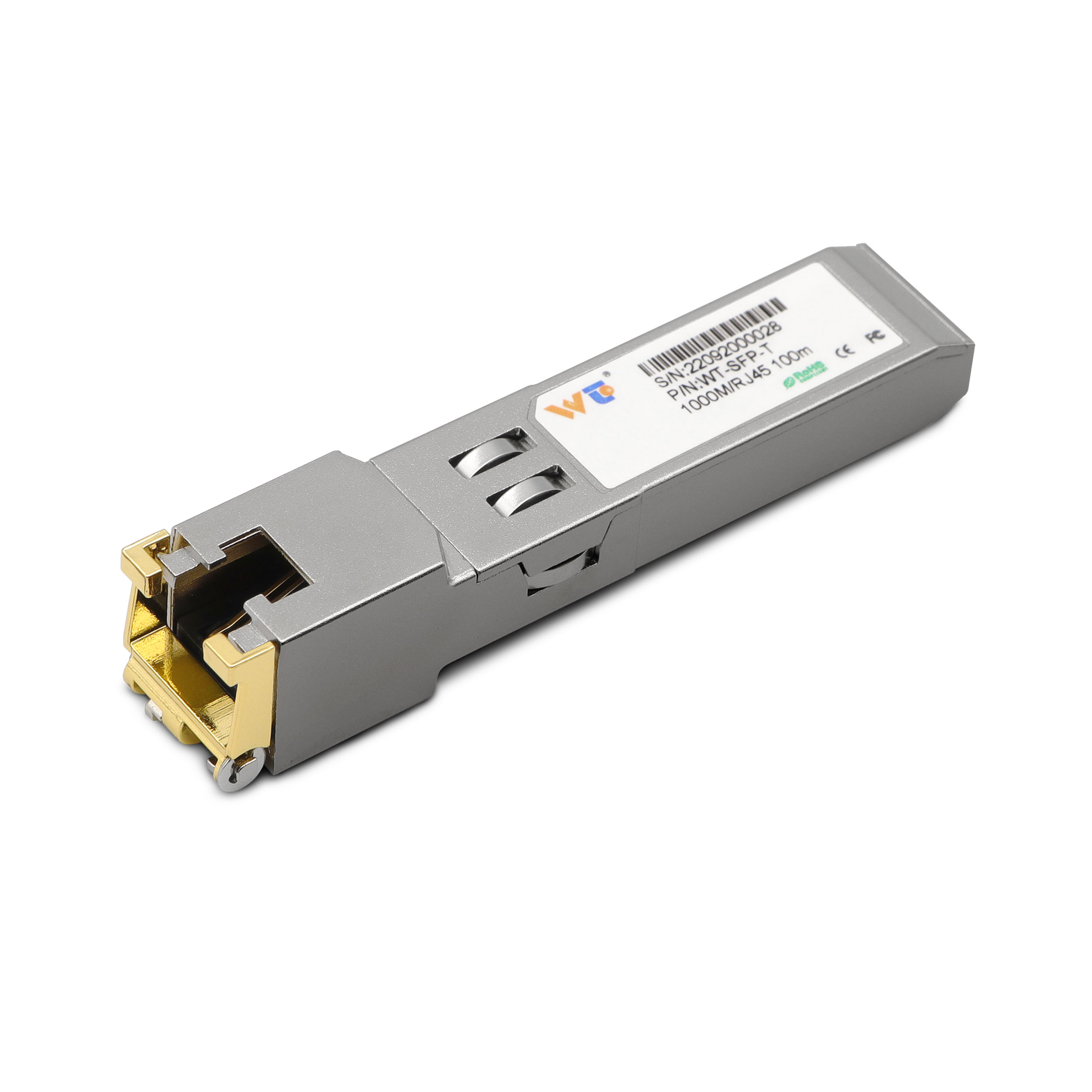
The variety of available modules allows different industries to address specific communication goals. From copper RJ45 options to fiber-based products, selection depends on network design, distance, and performance needs. Careful planning helps organizations achieve efficient connectivity.
As digital infrastructure grows, sfp optical transceiver solutions will continue supporting communication upgrades across many sectors. Industrial operators, automation companies, and transportation agencies can use modular approaches to improve network adaptability and support evolving applications.
We continue developing optical communication products for professional users requiring dependable connectivity. With manufacturing capabilities, technical resources, and diverse module options, Wintop supports partners seeking practical solutions for industrial and enterprise network projects.
Advancing Optical Communication With Wintop
Optical connectivity requires careful product matching, reliable performance, and technical support. Wintop provides SFP modules and related optical products designed for various network environments. Contact us to discuss project needs and identify suitable communication solutions for your applications.
Related Products
l SFP Optical Transceiver Modules
l RJ45 SFP Transceiver Modules